Category: Law

  • 5 Key Benefits of Using a Lawyer Collaboration Platform

    5 Key Benefits of Using a Lawyer Collaboration Platform

    The legal industry is rapidly evolving with digital transformation, reshaping how lawyers, firms, and clients connect and operate. In this competitive environment, Lawyer Collaboration has become more important than ever, as efficiency, security, and teamwork define success in delivering high-quality legal services. Traditional methods of communication, file sharing, and case management are no longer sufficient to meet modern demands. This is where a Lawyer Collaboration Platform plays a crucial role—an integrated digital tool designed to streamline communication, enhance data security, and foster seamless teamwork among legal professionals. In this blog, we will explore the 5 key benefits of using a Lawyer Collaboration Platform and why it is essential for today’s legal landscape.

    What is a Lawyer Collaboration Platform?

    A Lawyer Collaboration Platform is a specialized digital solution designed to enhance communication, streamline case management, and improve teamwork within law firms or among independent legal professionals. Unlike generic tools, these platforms are tailored specifically for the legal industry, ensuring compliance with strict regulations and maintaining the highest standards of data privacy.

    Typical features of such platforms include secure file sharing, real-time communication, and task management tools that allow legal teams to coordinate seamlessly. Many platforms also integrate AI-assisted research to speed up legal document analysis and case preparation, saving valuable time for lawyers. These capabilities ensure that all members of a legal team—partners, associates, and paralegals—can collaborate effectively, regardless of location.

    Unlike general collaboration tools such as Slack or Microsoft Teams, a Lawyer Collaboration Platform is built around the unique requirements of collaboration in law firms. It provides case-specific functionalities, advanced security measures, and compliance features critical for handling sensitive client information. By leveraging these legal team platforms, firms can improve efficiency, reduce errors, and deliver better outcomes for their clients.

    Benefit of Lawyer Collaboration Platform

    Improved Communication & Real-Time Collaboration

    Improved communication is crucial in the fast-paced legal industry, where delays can cost both time and client trust. Communication bottlenecks—such as relying solely on lengthy email chains—often slow down decision-making and create confusion among lawyers, paralegals, and support staff. This not only impacts efficiency but can also jeopardize case preparation. Modern legal team communication tools solve this by offering instant messaging, secure chat, and real-time updates. With real-time lawyer collaboration, teams can coordinate seamlessly, share documents, and track progress without waiting for scattered responses. For instance, litigation teams and paralegals can align on case strategies instantly instead of exchanging endless emails, ensuring everyone stays informed and responsive. These platforms eliminate silos, enhance accountability, and keep cases moving forward with greater accuracy and speed.

    Centralized Case & Document Management

    One of the biggest challenges in legal practice is the time wasted searching for files and managing multiple document versions. Without proper systems, lawyers risk working on outdated drafts, leading to errors and inefficiency. A lawyer collaboration platform streamlines this process by offering secure storage, built-in version control, and quick retrieval tools. With centralized case management for lawyers, attorneys can access all case-related documents in one place, ensuring accuracy and consistency. Advanced encryption and strict compliance with confidentiality and data protection standards safeguard sensitive client information. For example, multiple attorneys can work on the latest draft of a contract simultaneously, without confusion over which version is current. This not only saves valuable time but also enhances collaboration, accuracy, and client trust. By adopting lawyer collaboration software, firms create a reliable digital workspace where documents and case files remain organized, secure, and accessible anytime.

    Enhanced Productivity & Workflow Automation

    Workflow automation for lawyers is transforming the way legal teams operate by reducing repetitive manual tasks. Features like automated reminders, task tracking, and document templates ensure smoother case progression and better workload distribution. For example, automated reminders for court filings or compliance deadlines—shared across the entire team—help eliminate missed dates and costly oversights. Task tracking tools provide real-time visibility into responsibilities, ensuring every lawyer stays on top of their workload. Document templates save hours otherwise spent drafting from scratch, enabling faster client turnaround. This streamlined approach enhances productivity in lawyer collaboration by allowing teams to focus more on strategic legal work rather than administrative chores. 

    Scalability & Competitive Advantage

    Scalable lawyer collaboration solutions are designed to adapt seamlessly to firms of any size, from solo practitioners to large enterprises. A solo lawyer can use these platforms to manage case files, schedule meetings, and communicate securely with clients, while small firms benefit from shared document repositories and streamlined team coordination. For large enterprises, the same platform scales effortlessly to handle multiple departments, cross-border teams, and thousands of client matters without compromising efficiency. This scalability ensures that firms can expand their operations without constantly switching tools or facing disruptions.

    Conclusion

    Lawyer Collaboration platforms are transforming the way legal professionals work by breaking down barriers to efficiency and communication. From seamless communication tools that eliminate delays, to advanced document management systems that ensure accuracy and easy access, these platforms streamline the entire legal workflow. They also boost productivity by enabling teams to collaborate in real time, saving valuable hours that can be invested in client service. With built-in security features, sensitive data remains protected, giving both firms and clients peace of mind. Finally, their scalability ensures that whether you are a solo practitioner or part of a large law firm, the platform grows with your needs.


  • Best Legal Networking Apps and Platforms for Attorneys in 2025

    Best Legal Networking Apps and Platforms for Attorneys in 2025

    Today’s attorneys engage in more than just litigation in courtrooms. Much of effective practice depends on who you know, your visibility, and your skill in building and maintaining professional relationships. One of your most valuable assets is a strong referral network. Whether you are seeking co-counsel, mentoring, referrals, or leads, networking apps and platforms provide the advantages to reach beyond your backyard and develop trust and opportunity. 

    Here are the leading networking platforms for attorneys in 2025, their benefits, and important things to incorporate into your strategy for growing tomorrow’s referral network.

    Why a Legal Referral Network Matters

    Prior to delving into platforms, it’s good to understand what a great referral network does:

    • Provides qualified, vetted leads to you from peers who have experience with and trust your reputation.
    • Allows attorneys in niche practice areas to share resources, co-share work, and co-represent.
    • Contributes to your reputation effects: being involved in good networks also enhances the trust and visibility of your reputation.
    • Provides an opportunity for mentorship or sharing your own experiences and comments about the practice of law in a quickly changing context (law is changing fast).

    Networking is not optional anymore; it is part of your practice strategy.

    What to Look for in a Legal Networking Platform

    When assessing networking or referral platforms, ask the following:

    • Verification & Credibility – Is the platform vetting attorneys by bar number, credentials, or peer reviews? 
    • Referral Matching or Lead Generation – Does it help match you with attorneys wanting your specialty, or clients directly? 
    • Privacy & Ethics Compliance – Is it secure? Does it respect client confidentiality? Is the referral fee and conflict rules transparent? 
    • Geographical Reach & Specialty Filters – Can you filter by jurisdiction, practice area, and other criteria? 
    • User Community & Engagement – Forums, groups, discussions; active users are more valuable than passive directories.

    Top Legal Networking Platforms & Apps in 2025

    Here’s a look at some of the standout platforms attorneys are using this year, along with how Legal Social complements them.

    Legal Social

    We have created Legal Social to be the community for lawyers who need something beyond a directory. This is a living and interactive community, where you can join groups based on practice area, attend virtual roundtables, provide referral-friendly tools, and demonstrate to your peers that you are ready to work together or refer. This will function like LinkedIn, built specifically for lawyers with an eye on ethics and compliance from day one.

    LawyerSmack

    An active Slack group with several hundred topical channels. It’s especially handy for informal networking and day-to-day peer support across a range of legal topics. Legal Social is a counterpart to LawyerSmack because it provides a public-facing profile and structured referral management (not features provided by Slack).

    LawLink

    The initial professional networks for lawyers. LawLink remains a solid professional network with a large membership and discussion forums. Many lawyers have a LawLink profile but have moved to Legal Social to handle real referrals and manage results.

    Clio Community

    Clio’s practice management software has built an engaged community for its users. Attorneys talk about workflows, technology, and sometimes share referrals. By combining Legal Social with Clio’s community, you will be able to manage the back-office stuff and the outward-facing networking seamlessly.

    Reddit Legal Forums

    Reddit’s lawyer subforums (like r/Lawyertalk) are informal channels for casual conversation. They are a great place to get a feel for something but not really a place for a referral. Legal Social offers the professional layer of discussion where you can take the discussion to a real networking opportunity.

    Rocket Lawyer and FindLaw

    These are directories that your clients can see and that may result in consumer inquiries for you. Client-facing directories can be great ways to get exposure to the public, while Legal Social includes peer-to-peer referrals and collaborative practice, as well as community building.

    How to Get the Most Out of Legal Social and Other Platforms

    Accessing platforms is only part of the equation. Leveraging those platforms effectively converts connections into prospects. 

    • Complete your profile: Clearly define your expertise and include your jurisdiction, niche, and accomplishments. 
    • Provide value first: Respond to questions, post insights, or share resources that are helpful to others. People remember lawyers who are helpful. 
    • Get involved in groups and events: Join practice-specific groups on Legal Social, or participate in virtual coffee chats or referral meet-ups. 
    • Document and follow up: Legal Social’s referral section allows you to see where your leads came from, and you can follow up with them quickly. 
    • Be mindful of ethics: Legal Social is structured to help you maintain your interactions within the ethical rules of the jurisdiction you practice in, but you should always be aware of and follow the rules in the jurisdiction or jurisdictions that you practice in.

    Trends to Watch in 2025

    The networking technology available to attorneys is changing rapidly. Below are a few themes to pay attention to.

    • Artificial Intelligence-Matching: Platforms such as Legal Social are starting to use AI to match users with possible co-counsel or referral partners based on their profile and activity.
    • Hybrid Models: Communities that provide education, networking, and lead management all in one platform.
    • Mobile-First Experiences: Attorneys want to network while they are on the go, so mobile applications are rising in popularity and necessity with a seamless mobile interface.
    • Verified Credentials/Peer Endorsements: Trust signals built right into the profiles to assist with due diligence.

    Legal Social is actively building acolytes of these trends so you can be ahead of the curve.

    Conclusion

    By 2025, your referral network will become one of your greatest business assets. There are some platforms like LawyerSmack, LawLink, Clio Community, and Rocket Lawyer that serve that purpose. However, if you want a singular environment dedicated to connecting with other attorneys, demonstrating your talents, and managing referrals ethically, Legal Social has it all located in one place.

    You can start simply by building an entire profile, finding and participating in practice-area groups, and sharing your knowledge. As you further your relationship building, you will yield more qualified leads, stronger partnerships, and a reputation that reaches beyond your immediate world.

    Networking is not about contacts; it is about trust. Legal Social is here to help every attorney make it easier and powerful.

  • 5 Ways Legal Networking Platforms Boost Career Opportunities for Lawyers

    5 Ways Legal Networking Platforms Boost Career Opportunities for Lawyers

    In today’s rapidly changing legal industry, it is essential to expand networking alongside your legal skills. While traditional networking events and bar association meetings have their place, networking in the digital age is making networking far easier for professionals to connect with peers, mentors, and clients. Legal networking platforms connect professionals from various legal fields; they provide a place to exchange knowledge, to find opportunities, and to help with reputation-building. In an era where growth is essential for the career of lawyers, legal networking platforms have become a necessity rather than an option.
    Here are five ways legal networking platforms can fast-track career growth and unlock opportunities for legal professionals.

    1. Expanding Your Professional Reach Beyond Geographic Boundaries

    Legal networking platforms allow you to connect with lawyers in other cities, states, and even countries. In the past, your network may have consisted of your colleagues at your firm and peers you met at conference events. With social networking platforms, it is possible to develop connections with legal professionals from around the world without leaving your office desk.
    With these platforms, a corporate lawyer in India could connect with intellectual property lawyers in the United States or arbitration lawyers in Singapore and begin a useful relationship. It is also possible to develop work arrangements over borders based on these connections and relationships; you may even receive a case referral. Having these connections over borders can spark future work opportunities in new jurisdictions, as well as have the ability to notice international legal trends, regulations, and practices that could impact your area of focus.
    When your network goes beyond your surrounding environment, this also boosts your personal brand. People who notice your expertise in specialized areas are more likely to recommend you when it comes to opportunities such as speaking engagements, a co-authored article, or referral of a case.

    2. Access to Exclusive Job Opportunities and Freelance Work

    Legal networking platforms include a range of functionalities beyond social networking with peers. Among other offerings, many of these platforms include job boards or marketplaces where law firms, corporations, and legal tech firms post open positions and contract opportunities. Different from job boards, these platforms are specifically designed to feature listings for legal professionals so you can see only roles relevant to you.
    For example, a young associate ready to transition from litigation to in-house counsel can find relevant opportunities via these platforms. Usually, independent practitioners, or small firms, have a chance to bid on projects or to partner with other lawyers on a freelance basis. Such platforms allow lawyers to access the listings directly without going through a middleman recruiter, allowing the lawyer to present their skills and abilities to potential employers or clients directly.
    As an additional benefit, when lawyers are active users of the platforms, they often hear of these opportunities first. By maintaining their active use of these platforms, including updating their profiles and listing their accomplishments, lawyers can improve their chances of being identified by recruiters and/or potential clients.

    3. Building Credibility and Thought Leadership

    In a profession where reputation is so crucial, your reputation is your most valuable asset. Legal networking platforms provide various opportunities to show your expertise. You can write articles, comment on topical legal issues in the news, or join groups and discussions that allow your opinions and insights to be widely shared. The combined effect of continually being active on these platforms over time helps you be thought of as someone who is at the forefront of current events in your area of practice.
    For example, you may post analyses of new laws and regulations, judgments, and other decisions of relevance to your colleagues, fellow practitioner,s and potential clients. Many platforms will also include webinars, virtual roundtable,s or other Q&A opportunities where you are sharing your expertise with a live audience.
    This level of visibility not only bodes well for your reputation, but it also builds trust. When people see your informed opinions repeatedly over time, they will be more inclined to contact you for help, referrals, or even possible collaborations. This type of credibility can lead to other opportunities as well, such as speaking engagements at conferences, writing opportunities to write for law journals, and opportunities to take on leadership positions in professional organizations.

    4. Finding Mentors and Peer Support

    The profession of law can be strenuous at times, especially for new attorneys or those changing practice areas. A mentor can provide clarity and assurance as you navigate your path. Legal networking platforms make it easier to seek out experienced individuals who are prepared to mentor.
    You can join specific groups or communities that focus on mentoring, advancement, or certain practice areas. Engaging in these forums not only provides insight but also prepares new-to-practice attorneys with a network of peers who have faced similar challenges and have similar goals.
    The benefit of peer support cannot be overstated. If it’s strategizing how to obtain clients, balancing work-life needs, or preparing for a trial with unreasonable demands, a supportive network will speed up your growth. Eventually, you may be able to transition from mentee to mentor, further enhancing your credibility.

    5. Staying Updated with Industry Trends and Innovations

    The legal environment is always shifting, from laws to technologies to client expectations. If you can stay aware of these changes, they may provide an edge against the competition. Legal-connected networking platforms are often real-time information hubs, providing you with the most current information available on a plethora of legal-related issues, changes in regulations, new law technologies available, and more.
    Many platforms provide news feeds, webinars, discussion forums, and other available resources to keep you in the loop about current legal issues with other professionals who provide current information or resources on an ongoing basis. Even if you don’t contribute in a conversation with others on these platforms, being part of the larger conversations keeps your knowledge somewhat current, and you can be ready to quickly take action in anticipation of a new opportunity. For example, you may learn from your network about a rapidly-growing niche, like data privacy compliance or changes in ESG (Environmental, Social, and Governance) regulations. You can start acquiring skills in enough time so that you will become an expert.
    Also, being part of this connected conversation can send a message to others (career partners) that you are proactive/forward-focused, characteristics which employers and clients are always seeking. When you can understand the trends, you can stay relevant with your skills and services in a very fast-moving and ever-busy legal environment.

    Conclusion

    Legal networking platforms are not just one-dimensional digital directories. They are interactive ecosystems that connect lawyers with information, opportunities, and connections from around the globe. With these platforms, you can expand your professional reach, connect with exclusive opportunities, develop your credibility, find mentors, and stay abreast of the latest industry trends, and in turn, all of this can help accelerate your career development.
    For lawyers at all stages of their careers, it is not about if or when you will build your presence and profile on legal networking platforms; it is a smart investment of your time and energy that will lead to destinations you never knew existed. Just answer those invitations and be an active participant, share generously, and make honest connections, and those platforms can be invaluable in your legal career.

  • The Role of Lawyer Social Communities in Legal Innovation and Collaboration

    The Role of Lawyer Social Communities in Legal Innovation and Collaboration

    Law has always been driven by precedent, tradition, and structure. However, over the past ten years, the profession has been in a state of exponential change. From digital case management platforms to tools that use artificial intelligence to assist with research, legal innovation is becoming less of an afterthought and more of a fundamental way of practicing law. Central to this change is something that is sometimes overlooked: lawyer social communities.

    Lawyer networks, both in-person and digital, are changing the way legal professionals connect, share knowledge and experiences, collaborate, and advocate for meaningful change – not just between lawyers, but with those outside of the law, too. These are far more than “groups” or “forums” and are becoming real spaces for innovation, mentorship, and collaborative and cross-disciplinary problem solving.

    This article will explain why lawyer social communities matter, how they are evolving, and their role in the future of legal practice.

    What Are Lawyer Social Communities?

    A lawyer social community simply is any platform or network, physical or digital, where legal professionals share ideas, knowledge, and opportunities. These can be LinkedIn groups about practice areas, professional forums (e.g., LegalTech communities), Slack channels for in-house counsel, WhatsApp groups for regional bar associations, or even specialized platforms built for lawyers. 

    Communities provide immediacy and interactivity compared to traditional bar associations or conferences. Instead of waiting to network at an annual event, lawyers can exchange ideas, talk about new developments, and think about solutions with fellow lawyers in real time, anywhere in the world.

    Why These Communities Matter for Innovation

    1. Faster Knowledge Sharing

    Innovation occurs where information flows freely. Lawyer social communities allow members to share news about case law, regulatory changes, and best practices to other lawyers in a very short timeframe. A corporate lawyer in Mumbai could find out about a new compliance framework from a colleague in London in just a few minutes. This immediacy of access eliminates the silo and allows members to integrate their new ideas faster.

    2. Cross-Disciplinary Collaboration

    Legal practice intersects with technology, finance, sustainability, and human rights to an increasing degree. Communities that consist of lawyers from different areas of practice or sectors foster cross-disciplinary thinking. As an example, if a lawyer who focuses on blockchain regulations was looking for partners or collaborators, he or she would be likely to find others with similar interests, not in practice areas, but in the same strand in a community discussion thread linked to flexible fintech, or an integrated policy advocate for informed decision-making.

    3. Peer Support and Mentorship

    In addition to innovation, these communities also provide much-needed support. Junior lawyers can engage with experienced professionals and ask questions without the formalities that accompany traditional mentorship programs. This open exchange may enhance skill development and confidence, and lessen burnout.

    Examples of Innovation Driven by Lawyer Communities

    1. LegalTech Adoption: A lot of AI-driven research tools grew in popularity because early adopters touted its benefits on lawyer forums online. Positive peer recommendations usually have more power than vendor marketing.
    2. Policy Advocacy: Lawyers can leverage their collective social communities to better advocate for awareness of pertinent legal issues. A collective voice can change public perceptions, engage legislators, and help promote the reform efforts.
    3. Collaborative Learning: Legal communities can support lawyers in learning about new areas such as data privacy, ESG regulations, or international arbitration using tools such as online meetups, webinars, and resource libraries.

    The Digital Transformation of Lawyer Communities

    Traditionally, legal networking seemed to mean attending conferences, alumni meet-ups, or bar association dinners. While these are still important, digital spaces have opened the doors for even more lawyer social communities that take on a virtual life of their own. Today, a lawyer can join a global group on LinkedIn, attend a virtual panel discussion, and write a research paper with peers from many countries in a week!

    While many lawyers have long vie that digital networking will expand the breadth and reach of legal networking, it has also led to more inclusive opportunities for all kinds of lawyers. Lawyers in a small firm or isolated practice receive the same resources and relationships as lawyers in larger firms and cities. Also, with a global reach, discussions include more varied and inclusive perspectives that lead to richer discourse and more innovative solutions.

    How Lawyer Social Communities Foster Collaboration

    • Idea Development: Communities provide a safe space to try new ideas out, get feedback, and evolve your approach before launching something in public.
    • Content Creation: Lawyers work together on white papers, bodies of research, or open-source legal word templates to benefit the whole profession.
    • Referrals and Collaborating: Many lawyers get new clients, new collaborators, or co-counsel opportunities by being active within these networks.

    In fostering open dialogue and sharing, lawyer social communities actively reduce the feelings of isolation often attributed to the profession while transforming individual expertise into collective strength.

    Overcoming Challenges

    Despite the advantages of lawyer social communities, they must overcome challenges. Data privacy, professional ethics, and fake news can all present issues in an informal community context. Moderation, clear community guidelines, and the collection of credible, verified sources will help with credibility and trust.

    Another challenge is participation fatigue. There is a constant stream of competing online groups for lawyers’ attention and can make sustained participation harder. On the whole, lawyer communities that value discussion quality over quantity of posts have the most staying power.

    The Future of Lawyer Social Communities

    As technology continues to advance, chances are, lawyer social communities will become even more advanced. Here is what I envision: 

    • Platforms that embed legal research tools directly into the discussion forums. 
    • AI matchmaking connects lawyers with similar interests or complementary skill sets.
    • Hybrid events that marry the benefits of in-person networking with digital collaboration. 

    In short, these communities will not only enhance connections for lawyers but will change the legal ecosystem.

    Conclusion

    Lawyer social communities are not just a place to network. They are spaces for collaboration, legal innovation, and professional development. The ability to break down barriers, allow quick access to information, and foster mentorship creates a support system for lawyers to navigate an ever-changing environment. 

    Legal professionals and firms need to heed the message: participation in these communities is no longer a “nice to have.” It is vital to stay relevant, informed, and connected to the world of law in a world of constant change. 

    Whether you are a solo practitioner looking for support, an in-house counsel interested in new compliance tools, or a firm looking for collaborative opportunities, lawyer social communities offer you the tools and relationships you need to thrive.

  • The Future of Law: Rise of the Digital Legal Platform

    The Future of Law: Rise of the Digital Legal Platform

    Tradition, formality, and paperwork have long defined the legal industry. Yet as technology revolutionizes nearly every aspect of our lives, it must also do so with law. Today, a new strain of innovation is transforming legal services as we now know it: the digital legal platform. Digital legal platforms are helping to improve efficiency, access to legal services and expertise, and transparency across the legal services continuum from workflows to legal support.

    What does the current landscape and future of legal services look for lawyers, businesses, and individuals in a digital-first legal world? Let’s take a closer look.

    The Shift from Tradition to Digital Innovation

    For many years, legal proceedings involved enormous piles of paper, long meetings, and difficult processes that were intimidating for clients. Law firms itself survived off legacy systems, networks of contacts, and meetings in person. But now that the world has moved on to digital in their expectations for service delivery, just like they expect their banking, shopping, and medical care to be online, clients now expect their lawyers and legal services to provide similar respone to access to legal services.

    Digital legal platform represents the best of legal services, tools and technologies that can be used in one unified ecosystem. Legal services that used to take place sporadically in an office are now consumable online, no matter what it is we are doing whether it’s drafting a contract, filing a case, or seeking legal advice it’s all now done online. Whenever you combine cloud computing, artificial intelligence, and blockchain, you’re driving population acceptance that comes with security, accuracy, and speed.

    What Exactly is a Digital Legal Platform?

    At the essence, a digital legal platform is a seamless system that provides legal services via technology. It’s like having a single source of truth for anything legal: document automation, compliance, e-discovery, case tracking, and even lawyer-client collaboration. Digital legal platforms view law as a service; rather than focusing on simply billing for the time the lawyer is working, they work to automate things the lawyer would otherwise have to do manually and provide on-demand access to legal materials. In contrast, a traditional law firm would require a human to do that work as a necessary step to provide legal services to a client.

    Some digital legal platforms are designed for individuals who may want to put a will, rental agreement, or business contract in place without hiring a lawyer for basic services. Others are intended for enterprises, and give a chance for management of compliance, legal risk, intellectual property management or dispute resolution. For lawyers, they are an “assistant”, to save time, risk mistakes and allow the lawyer to think strategically instead of repeating administrative-type work.

    Key Features Transforming Legal Services

    The value of a digital legal platform is in the distinct offerings that impact how legal services are delivered and engaged. Some of the most impactful are:

    • Document Automation – Writing legal documents manually is a slow and imprecise task. But with document automation, users can produce standard contracts, agreements and policies in minutes without mistakes.
    • AI-Powered Research – Artificial Intelligence tools can analyze thousands of cases, judgments and statutes in seconds. AI can transform legal research work, ensuring lawyers conveniently have relevant information at their fingertips.
    • Virtual Consultations – Rather than getting in the car, clients can speak to their lawyers via secure video calls, saving clients time and money it’s often really valuable expenditure.
    • Case and Workload Management – Digital legal platforms provide lawyers with tools to track their cases, deadlines and more. Clients can also login and monitor the progress of their cases (very good for transparency).
    • Compliance Monitoring – Businesses operate within a complex regulatory environment. Digital legal platforms can monitor compliance obligations in real time and send alerts when regulatory deadlines are arising or rules have changed.
    • Blockchain – Legal documents and contracts often contain confidential information. Blockchain can capture the records and make them immutable and tamper-proof.

    The Benefits of Embracing Digital Legal Platforms

    The adoption of digital legal platforms offers wide-ranging benefits for both professionals and clients.

    • Efficiency and Speed: Repetitive manual work is reduced, freeing up valuable time for lawyers to focus on higher-value tasks.
    • Cost Savings: Automation and self-service tools allow individuals and small businesses to access legal services at a fraction of traditional costs.
    • Accessibility: People in remote areas who may have previously struggled to find legal help can now connect with lawyers online.
    • Transparency: Clients can monitor the progress of their cases and stay updated without repeated phone calls or office visits.
    • Scalability: For law firms, digital platforms make it easier to manage more clients and expand their reach without increasing overhead costs. 

    How Lawyers and Firms are Responding

    Although some legal professionals were cautiously awaiting the adoption of digital, the tide appears to have turned. Many legal firms that see the future know that a digital legal platform is not a competitor, but a facilitator providing options for lawyers to improve efficiencies for client work, and offer better services, and improve profit in a global marketplace. 

    Solo practitioners are likely the group’s seeing the best impact from these changes with affordable digital tools giving them the ability to compete with their counterparts at large firms with lower fees due to efficiencies derived from the use of digital tools. Clients, therefore, discover that they receive personalized legal advice, which is swift, and delivered in a convenient and desirable format digitally.

    The Role of Artificial Intelligence

    Artificial Intelligence, AI, is one of the most exciting developments in the evolution of the digital legal platform. AI-powered tools are becoming essential tools at the early stages, from research or document review, to evaluating predictive models. For example, AI can analyze previous cases to predict the likely outcome of a lawsuit, taking in all of the relevant legal frameworks. While human reasoning and judgment will always be necessary as part of legal strategy, AI adds an extra layer of insight that helps lawyers make better data-driven decisions.

    AI-Powered chatbots are also becoming a more important development. Chatbots can assist clients with simple questions, guide users through basic processes, or even help draft simple documents. This way, lawyers can spend their attention on more complex/high-stakes engagements while their clients still have instant support.

    Challenges Ahead

    Caveats aside, it is evident there is still work to do in terms of the resignation and legitimisation of digital legal platforms into broader usage. Data privacy is a concern, primarily because legal data is likely to be quite sensitive compared to other forms of data. Accordingly, legal platforms require strict adherence to high security standards.

    There is also the issue of digital literacy. Younger generations learning about legal services online might find the transition seamless, whereas older clients do not see it easy transferring from traditional face-to-face interactions. Managing this transition onto digital platforms is essential and ensuring a compatibility between convenience and personalisation.

    Finally, there is apprehension that technology may replace lawyers. The reality is that the role of lawyer is changing and not disappearing. Legal digital platforms should not be viewed as a technology that replaces human skills, but rather as a collaborator that amplifies human skills.

    The Road Ahead

    The future of law will be shaped by how quickly and effectively the industry embraces digital transformation. In the coming years, we are likely to see:

    • Greater integration of AI for predictive analytics and contract review
    • Widespread adoption of blockchain for secure transactions and record-keeping
    • Platforms designed specifically for niche legal sectors such as intellectual property or cross-border trade
    • A rise in self-service legal platforms that empower individuals and small businesses
    • Governments and courts are integrating digital systems to streamline judicial processes 

    The end result will be a legal system that is faster, more transparent, and more accessible to all.

    Conclusion

    The emergence of the digital legal platform represents not just a technological shift but a cultural one. The digital legal platform represents a move to accessible, efficient, client-centered service in a sector that has been questioned for complexity and opacity for a long time. 

    While there are some barriers to entry, there are far more potential benefits than obligations. 

    To attorneys digital platforms mean relevance and competitiveness. To businesses it means compliance and the ability to resolve disputes faster. To individuals it means they can obtain access to justice and peace of mind affordably. 

    The future of law is digital, and at this intersection of culture and technology lies the future digital legal platform. Those who embrace it now, will shape the future of the profession and pave the way for a more transparent and equitable legal system for society as a whole.

  • How LegalSocial Empowers Legal Professionals to Collaborate Effectively

    How LegalSocial Empowers Legal Professionals to Collaborate Effectively

    Collaboration has always been at the core of the legal profession. From joint litigation strategies to cross-practice referrals, lawyers have long understood that when they work together, possibilities materialize that could never be achieved alone. But, in today’s high-pressure, fast-paced legal practice, collaboration isn’t solely a nice-to-have; it is a necessary requirement of the profession. Clients want holistic solutions; firms are pressured to scale; and specialization requires lawyers to complement their unique skills.

    And this is exactly where LegalSocial comes in. Made for lawyers, LegalSocial is far more than a networking tool. It is a platform designed to establish true collaborations, improve referrals, and create opportunities that allow legal professionals to grow together..

    Breaking Down Silos in the Legal World

    Historically, lawyers have relied on their bar associations to connect with peers or network through physical networking events, or even informal WhatsApp groups formed up of lawyers. While these methods can work to a certain extent, they are often fractured in meaning and geography, and rarely produce consistent results. A corporate lawyer in Mumbai might not know of an immigration lawyer in Delhi that could help them with a cross-border client matter.  A family lawyer in Bangalore likely does not have access to a tax expert that could advise them on a complicated settlement. These holes limit growth and require they either stretch themselves too thin, or forego opportunities.

    LegalSocial alleviates these problems by collapsing these silos. Creating a centralized hub for legal professionals allows lawyers can find their peers across specializations, cities, or even countries. And whether you are a solo practitioner searching for co-counsel help, or a firm in search of niche expertise, LegalSocial means the right collaborator is simply a connection away.

    Referrals Made Simple and Transparent

    For many lawyers, referrals are their practice’s lifeblood. Studies show that a significant number of new clients come from referrals from other professionals. However, building a referral network can be an unpredictable, slow process, often involving personal connections, word of mouth, or simply luck.

    LegalSocial offers a structured way for lawyers to ask for and provide referrals, which increases the level of transparency and efficiency in what can be an opaque process. Instead of waiting for referrals to happen by chance, lawyers can actively look for opportunities to collaborate. A real estate lawyer dealing with a property dispute can quickly find a litigation lawyer with strong experience to draw from. A startup lawyer drafting contracts can easily partner with an intellectual property lawyer to help a client protect their brand. This situation provides value for clients (more comprehensive service), and value for lawyers (expanding a practice without detracting from their practice area).

    Empowering Niche Specialists

    A challenge in the legal profession is visibility for niche specialists. Many lawyers develop a deep expertise, whether in data privacy, fintech compliance, or cross-border arbitration; but then they cannot find a client that needs that exact skillset. General networking platforms do not satisfy this need.

    LegalSocial solves this problem by enabling lawyers to showcase their specialization and matching them with other lawyers needing that specialization. For example, a corporate lawyer involved in a merger may need an antitrust specialist. Rather than spend weeks assisting, he can instantly connect with a lawyer who can help on LegalSocial. LegalSocial allows niche specialists to promote their worth as well as guarantee their clients the best possible service.

    Collaboration Beyond Referrals

    Referrals are valuable, but LegalSocial also offers meaningful collaboration in other ways. Lawyers can collaborate to co-write articles, together present webinars, or share ideas on recent legal trends. For example, a tax lawyer could collaborate with a corporate lawyer on content regarding the consequences of new business regulations. A family lawyer could coordinate with a local mental health resource to present an awareness session, with LegalSocial as the connector.

    These collaborations do not just create reputation; it positions lawyers as thought leaders, and builds trust among the legal ecosystem. In a profession where credibility is critical, this level of opportunity can be transformative.

    Leveling the Playing Field for Solo Lawyers and Small Firms

    Large law firms generally have more resources and multi-disciplinary teams, while solo lawyers and small practices often do not have offerings under the same roof. LegalSocial creates a digital ecosystem for solos and small practices to partner with others and create competitive alternatives to large firms.

    As an example, an intellectual property practitioner, as a solo or with a small practice, can develop a network of trusted peers in corporate, tax, or litigation through LegalSocial. Rather than turning the client away when they need a broader offering, the practitioner can partner with some of their peers to offer a complete solution. This flexibility helps solidify the client relationship, while also positioning small practices, such as solos, as equally competitive alternatives to large firms.

    Building Trust Through Community

    Trust forms the basis of collaboration, and LegalSocial has built its platform on this foundation. LegalSocial only connects legal professionals to legal professionals purely to make sure that all interactions are relevant and credible. Open places online often allow anyone to call himself or herself a consultant or advisor. LegalSocial is moderated, and community members are verified. Therefore, when a lawyer connects with someone else in the LegalSocial community, that individual is guaranteed to be an authentic lawyer with real legal expertise.

    Value-driven interaction is our preference on the platform when lawyers connect with other legal professionals. Lawyers will not come to automate their interactions with lawyers selling their services or seeking their market share. Lawyers are using LegalSocial to help and succeed collaboratively. That is how LegalSocial distinguishes itself from other general networking sites.

    Adapting to the Future of Legal Practice

    The legal profession is evolving rapidly. Clients demand faster responses, digital-first solutions, and holistic advice. Remote work and technology are reshaping how lawyers practice. In this environment, collaboration is not optional; it is essential.

    LegalSocial positions itself as the future of lawyer collaboration. By combining digital connectivity with legal-specific needs, it ensures that lawyers are not just keeping up with change but staying ahead of it. Whether it is tapping into expertise across jurisdictions, forming alliances for international cases, or simply finding a reliable partner for day-to-day matters, LegalSocial empowers professionals to thrive in the modern era.

    Conclusion

    Legal practice has always been about more than individual expertise. The strongest lawyers are those who know how to collaborate, connect, and create value beyond their own specialization. LegalSocial embodies this spirit by offering a platform where lawyers can find the right partners, share opportunities, and grow their practices together.

    In a world where clients expect comprehensive solutions and competition is fiercer than ever, LegalSocial provides the tools to turn collaboration into a powerful strategy. It breaks down silos, simplifies referrals, empowers specialists, and builds trust within the legal community. Most importantly, it reminds us that while law may often be practiced individually, its true strength lies in working together.

    For legal professionals ready to embrace the future, LegalSocial is not just another platform. It is the bridge to better collaboration, stronger practices, and a thriving professional journey.

  • Top Tips for Using LegalSocial to Grow Your Legal Network

    Top Tips for Using LegalSocial to Grow Your Legal Network

    In law, knowledge is power, but success is often a product of connections. From referrals that bring in new clients to partnerships that enhance cases, one of a lawyer’s greatest assets is their network. Typically, networking has occurred via bar associations, in conferences, or as a result of randomness, but in today’s instantaneous, digital-first, rapidly evolving world, lawyers need smarter ways to connect. 

    That’s where Legal Social comes in. Legal Social is a state-of-the-art digital platform developed specifically for legal professionals to network, collaborate, manage cases, and grow their network. The one central tenet of Legal Social is lawyer-to-lawyer collaboration. By sharing knowledge, co-handling matters, and supporting each other’s development, lawyers will create stronger practices and more sustainable careers. 

    If you want to harness the collaborative power of networking, here are some of the best tips for using Legal Social to expand your legal network.

    Top Tips for Using LegalSocial to Grow Your Legal Network

    Here’s how Legal-Social can help you stand out by making it easier to connect, collaborate, and grow your practice. It gives you the edge to shine in the legal field.

    Build a Standout Profile

    Your Legal Social profile is an online business card. You will not be hired with a partially prepped page, so invest some time and make it look professional.

    It all starts with a professional photo of you, as this replicates walking into court with a crisp outfit. Then, write a headline that demonstrates your expertise and value. Stop saying “Advocate, Delhi High Court”, and instead say “Commercial Litigation Specialist Helping Businesses Deal with Complex Disputes”.

    When you write your biography, do not just include your qualifications. You want to lay out your practice areas, your achievements, and your approach to the law, as well not just your expertise and your personality. If you have written articles, presented at seminars, and handled large cases (while respecting confidentiality), put them in here.

    A quality profile will not just get you clients. It will tell other lawyers in your community that you are credible, approachable, and deserving of a collaboration.

    Use Collaboration Tools to Your Advantage

    The legal profession is evolving from being a solo practice to becoming a team practice. Legal Social gives you the seamless tools and systems to allow for this kind of collaborative lawyer practice. 

    • Contract Creation: You can collaboratively upload and edit relevant case documents securely, in real time, instead of some confusion from the constant emailing of documents.
    • Consulting Rooms: You can also consult with your clients in a virtual consulting space with your co-counsel or team members, without incurring the impracticalities of in-person meetings, which opens up new opportunities for cross-border cases or even interstate collaborations.
    • Forum and Group Discussions: You can debate recent judgments, policy changes, or recent legislative developments. Not only individually benefit from your knowledge, but also contribute to your thought leadership.
    • Task Management: You can assign and track tasks and individual responsibilities for associates, interns, and paralegals in an organized structure.

    All in all, by honing in on these features, lawyers save time and will have less administrative action, allowing them to spend more time on strategy and advocacy for their clients.

    Engage Consistently

    Simply having a profile isn’t going to help you build your network—you have to be active. Think of Legal Social as a virtual bar association. The more you engage with the platform, the more present you will become.

    Engage with your fellow legal professionals by commenting on their posts, congratulating them on employment milestones, or adding insights to discussions that are currently happening. If there are recent judgments or regulatory changes, and you offer your take or opinion, you are becoming a voice of authority.

    Even better, publish your own content. Writing posts or blogs for Legal Social about your practice area, like “The Future of Arbitration in India” or “What Startups Should Know About Intellectual Property Law,” will not only create value but also create engagement. The moment one of your peers responds, you have opened the door to making a connection.

    But, please keep in mind that it’s all in the consistency. What you do for a few minutes each week will snowball into more durable professional relationships.

    Network with Intention

    Legal Social’s AI-enabled networking tools are designed to connect you with people who can be a real benefit to you. It takes time and effort to build worthwhile relationships instead of just aimlessly sending connection requests.

    If you’re a corporate lawyer, your connections could include people who are peers in mergers and acquisitions or tax law, where there may be an opportunity for collaboration on a transaction. If you’re a litigator, build ties with lawyers in other jurisdictions who can refer cases when there are cross-border issues.

    Leverage private chat and video calls to further the conversations you have. What starts as a quick exchange of ideas online can evolve into long-term partnerships or mentorships, or client referrals. Networking is not a numbers game. It’s about getting to know people better.

    Showcase Your Expertise Through Knowledge Sharing

    One of the easiest and most effective ways to build connections is to share knowledge. Legal Social can help you do this by showcasing lawyers’ thought leadership through articles, posts, and forum participation. 

    When writing about trends, practical legal advice, or landmark cases, you endorse yourself as the lawyer in that area. Over time, your credibility builds, your connections grow stronger, and those lawyers are likely to connect with you and refer you as they view you as an expert. 

    This type of lawyer collaboration, where professionals learn and elevate each other, creates a community that helps everyone involved.

    Stay Visible with Events and Webinars

    Legal Social also lists industry events, webinars, and panel discussions. Each of these is one more educational opportunity and, more importantly, a superb way to network! Whether you are attending or presenting at these events, they allow you to connect with other industry professionals and stay on top of emerging trends.

    If you host webinars, then you spotlight yourself amongst peers who may go on to become your collaborators or referral sources. Each of these events allows you to extend your influence beyond your immediate area and into the larger legal community.

    Balance Online and Offline Connections

    While Legal Social helps you to create digital connections, it should be said that the best networks translate to in-person networks. Use the platform as a tool to take those first steps and once you have made a relationship online, don’t be afraid to explore further offline. Collaborating on a case, conference attendance, or simply grabbing a cup of coffee have helped develop trust and tighter connections.

    Embrace Digital Marketing Features

    Today, networking is about visibility too. Legal Social includes features such as SEO-optimized legal blogs, client reviews, and attorney profiles/social sharing. By utilizing these features, you grow your lawyer-to-lawyer network and attract potential clients.

    For example, if you write a blog about “Contract Drafting Mistakes Startups Should Avoid,” it might attract the attention of other corporate lawyers who may work with you or refer clients to you. At the same time, you position yourself as an advisor that the clients see for themselves.

    Conclusion

    Success in today’s legal industry is not about going it alone. Successful lawyers are networkers, knowledge sharers, and collaborators. Legal Social creates that opportunity for lawyers to connect, learn, and collaborate. 

    Ultimately, Legal Social gives you everything that you need to create a strong legal network, from building a strong profile and collaboration tools to consistently engaging with the platform and sharing expertise. If you use the platform thoughtfully and strategically, you can build credibility, expand your audience, and discover opportunities that are bigger than traditional practice. 

    The future of law is lawyer collaboration, and with Legal Social, it is already here.

  • Boost Your Legal Practice with Legal-Social’s Powerful Features

    Boost Your Legal Practice with Legal-Social’s Powerful Features

    Boost Your Legal Practice with Legal-Social’s Powerful Features

    In today’s fast-paced legal industry, staying ahead of the curve requires more than just expertise in law. It demands seamless legal collaboration, efficient client management, and strategic networking. Legal professionals must adapt to technological advancements to remain competitive, and one of the most effective ways to achieve this is by connecting with Legal-Social.
    Legal-Social is an innovative digital platform designed to transform the way lawyers connect, collaborate, and manage their practice. With its cutting-edge features, it helps legal professionals to enhance their online lawyer connections, streamline case management, and foster professional growth. Whether you are an independent practitioner, part of a law firm, or looking to expand your reach, Legal-Social offers every aspect of tools to elevate your legal career.

    The Power of Legal Collaboration

    Legal practice is no longer confined to courtrooms and law offices. The modern legal landscape demands legal collaboration on a global scale, allowing professionals to work together efficiently, exchange insights, and tackle complex cases with collective intelligence. Legal-Social acts as a catalyst for this transformation by providing a dedicated space for lawyers to communicate, share resources, and seek expert opinions.

    Key Benefits of Legal Collaboration on Legal-Social:

    • Real-time Document Sharing: Legal professionals can upload, edit, and share case documents securely with colleagues and clients, ensuring smooth workflow management.
    • Virtual Consultation Rooms: Lawyers can conduct virtual meetings with clients, co-counsels, and legal teams, eliminating geographical barriers and saving valuable time.
    • Group Discussions and Forums: Legal-Social’s interactive forums enable lawyers to discuss legal precedents, emerging trends, and legislative changes in a collaborative environment.
    • Task Delegation and Workflow Automation: Assigning tasks to paralegals, interns, or associates has never been easier. Legal-Social enables users to create, track, and manage assignments seamlessly.

    With these robust collaboration tools, lawyers can improve efficiency, minimize errors, and focus on delivering superior legal services to their clients.

    Strengthen Your Online Lawyer Connections

    Networking is the backbone of a successful legal career. Expanding your circle of legal professionals can open doors to new opportunities, referrals, and partnerships. Legal-Social is designed to enhance online lawyer connections by providing a dynamic platform where lawyers can interact, share knowledge, and build meaningful professional relationships.

    How Legal-Social Enhances Online Lawyer Connections:

    • Customizable Lawyer Profiles: Create a compelling professional profile showcasing your expertise, experience, and achievements to attract potential clients and collaborators.
    • Intelligent Matchmaking: Legal-Social’s AI-driven networking feature suggests relevant connections based on your practice area, interests, and geographical location.
    • Legal Events and Webinars: Stay updated on industry events, panel discussions, and online seminars, helping you connect with thought leaders and gain valuable insights.
    • Referral Network: Exchange referrals and recommendations with fellow lawyers to expand your client base and enhance credibility.
    • One-on-One Chat & Video Calls: Connect instantly with legal professionals, mentors, or potential partners through secure messaging and video conferencing features.

    By leveraging these networking tools, lawyers can build a strong digital presence, increase visibility, and establish themselves as trusted experts in their respective fields.

    Case Management Simplified

    Managing multiple clients, deadlines, and legal proceedings can be overwhelming. Legal-Social offers an all-in-one case management system that integrates document storage, appointment scheduling, and legal research tools to keep your practice organized and efficient.

    Essential Case Management Features:

    • Client Portal: Clients can access case updates, upload documents, and communicate with lawyers directly through a secure portal.
    • Deadline and Calendar Integration: Stay on top of court dates, client meetings, and filing deadlines with automated calendar alerts.
    • Secure Cloud Storage: Store case files, contracts, and legal documents in an encrypted cloud-based system, ensuring data protection and easy retrieval.
    • Billing & Invoicing: Generate invoices, track payments, and manage financial transactions seamlessly.
    • Legal Research Database: Gain access to a comprehensive legal library with precedents, case laws, and legislative updates to support your legal arguments.

    With Legal-Social’s streamlined case management tools, legal professionals can reduce administrative burdens, boost productivity, and focus on winning cases.

    Expanding Legal Reach with Digital Marketing Tools

    In the digital age, having a strong online presence is essential for attracting clients and building credibility. Legal-Social integrates powerful marketing tools to help lawyers establish their brand and expand their reach.

    Digital Marketing Features:

    • SEO-Optimized Legal Blogs: Publish insightful articles to showcase your expertise and attract potential clients searching for legal assistance.
    • Social Media Integration: Connect your Legal-Social profile with LinkedIn, Twitter, and other platforms to share legal insights and updates.
    • Client Reviews & Testimonials: Build trust and credibility by displaying positive client feedback on your profile.
    • Targeted Advertising: Use Legal-Social’s advertising tools to promote your services to specific demographics and increase client inquiries.
    • Email Campaigns & Newsletters: Engage with clients and prospects through automated newsletters and email updates.

    By leveraging these digital marketing tools, lawyers can enhance their online presence, generate leads, and grow their practice effectively.

    Why Legal Professionals Should Embrace Legal-Social

    Legal-Social is not just another networking platform; it is a comprehensive solution tailored to meet the needs of modern legal professionals. From legal collaboration to expanding online lawyer connections, this platform offers unparalleled benefits that empower lawyers to thrive in a competitive market.

    Advantages of Legal-Social at a Glance:

    • Seamless legal collaboration and document sharing
    • Enhanced online lawyer connections through AI-powered matchmaking
    • Efficient case management with secure cloud storage
    • Advanced marketing tools to boost legal visibility
    • Time-saving automation for administrative tasks

    By integrating Legal-Social into your daily practice, you can unlock new opportunities, build a powerful legal network, and achieve professional success like never before.

    Conclusion

    The legal profession is evolving, and staying ahead requires adopting the right tools. Legal-Social offers a game-changing solution for legal practitioners seeking to streamline operations, collaborate effectively, and grow their client base. Whether you are a seasoned attorney or a budding legal professional, Legal-Social equips you with the necessary features to enhance your practice, strengthen legal collaboration, and build valuable online lawyer connections.

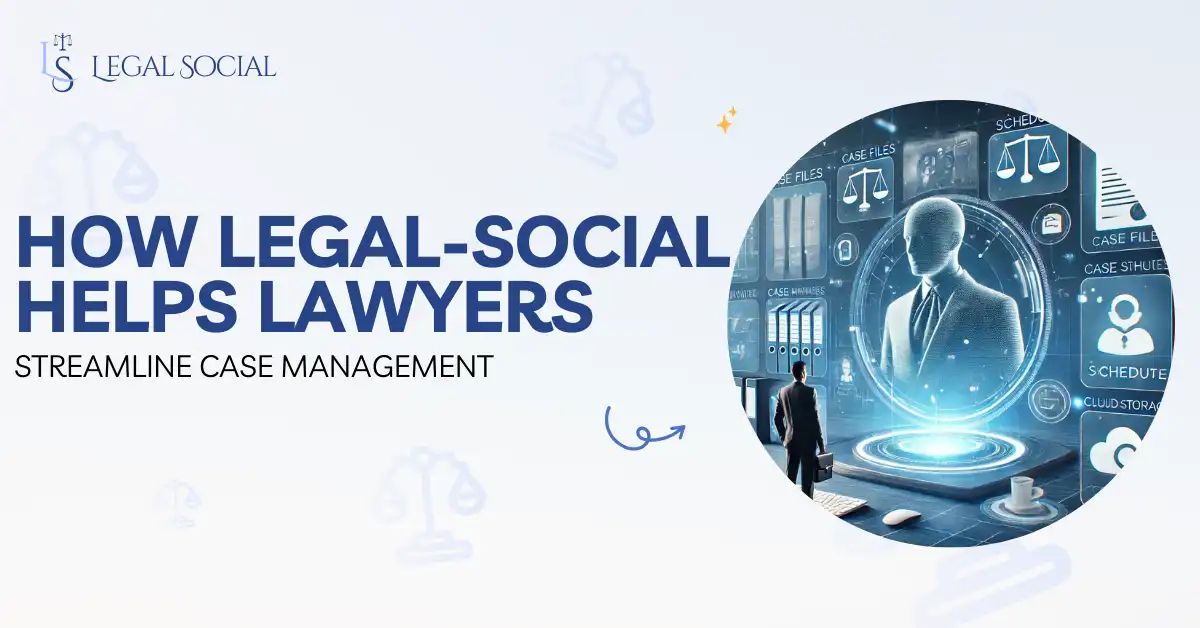
  • How Legal-Social Helps Lawyers Streamline Case Management

    How Legal-Social Helps Lawyers Streamline Case Management

    In the developed legal scenario, technology has become an important tool for increasing efficiency and productivity. A platform for creating an important impact is legal social, designed to help legal professionals manage their cases in the first place. By promoting a legal connection, this innovative platform simplifies case processing, document management and communication, and ensures a steady workflow. Legal social provides the all-in-one solution that faces various challenges in managing the case eventually improves their general efficiency.

    Skilled case organization

    Legal social provides a centralized system where lawyers can easily store case files, access and arrange. With digital documentation and classification, the professionals obtained the information quickly, which can reduce the risk of errors to reduce important data. In addition, lawyers on stage allow attachment attorneys to share resources, discuss strategies and seek advice on complex legal matters. By integrating the artificial intelligence (AI) tool, legal social also helps analyze the documents in the case, identify important points and suggest effective case processing.
    Legal professionals often handle many cases at the same time, making it difficult to monitor the deadline and significant submission. The legal social automatic document ends the problem by providing tagging and search capacity, which helps with the speedy recovery of the necessary information. In addition, with cloud -based storage, attorneys can reach their case files from any location, increase the dynamics and flexibility of their practice.

    Enhanced Collaboration and Networking

    One of the key benefits of Legal-Social is the ability to strengthen lawyer connections. This feature enables attorneys to collaborate on cases, refer clients, and build a strong professional network. By leveraging this interconnected system, legal professionals can enhance their practice by gaining insights from peers and expanding their expertise.

    With integrated discussion forums and virtual networking events, lawyers can engage in productive conversations and share valuable knowledge. Additionally, mentorship programs on Legal-Social allow junior lawyers to connect with experienced attorneys, fostering professional growth. The platform’s built-in recommendation system also suggests potential connections based on legal specialization, case history, and professional interests, further expanding networking opportunities.

    Automated Case Tracking and Scheduling

    Keeping track of multiple cases, deadlines, and court appearances can be challenging. Legal-Social offers automated scheduling tools that help lawyers manage their appointments efficiently. With timely reminders and notifications, professionals can stay ahead of deadlines. The lawyer connections feature also facilitates coordinated scheduling for cases requiring multiple legal representatives.
    Moreover, Legal-Social provides case status tracking, where attorneys can monitor updates in real time. The platform also integrates with judicial databases to pull relevant court updates, ensuring lawyers never miss important filings or hearings. This feature is particularly beneficial for litigation lawyers who need to juggle multiple cases across various jurisdictions.

    Secure Communication and Document Sharing

    Legal-Social ensures that confidential legal communications remain secure. Through encrypted messaging and file-sharing options, lawyers can exchange sensitive information without concerns about breaches. This secure environment further strengthens lawyer connections, as professionals can confidently share crucial case-related materials without compromising privacy.
    Additionally, the platform implements multi-factor authentication and role-based access controls to enhance security. These measures prevent unauthorized access to sensitive legal documents and communications. Legal-Social also includes version control for legal documents, allowing attorneys to track changes, collaborate efficiently, and maintain transparency in document revisions.

    Client Management and Interaction

    Managing client interactions is an integral aspect of legal practice. Legal-Social streamlines communication by providing a dedicated client portal where lawyers can update case progress, share documents, and address client queries efficiently. With lawyer connections playing a pivotal role, attorneys can collaborate to provide the best possible representation for their clients.
    The client portal includes features such as automated appointment scheduling, e-signature integration, and secure chat options, ensuring seamless interaction between lawyers and clients. Legal-Social also provides AI-driven chatbots that can assist in answering frequently asked client queries, saving time for legal professionals and enhancing client satisfaction.
    Access to Legal Resources and Updates

    Legal-Social serves as a hub for the latest legal updates, precedents, and case laws. By maintaining lawyer connections within the platform, professionals can stay informed about industry changes and legal reforms. This feature ensures that attorneys remain well-equipped with up-to-date knowledge, ultimately benefiting their clients and cases.

    The platform curates case summaries, legal journals, and legislative changes, providing lawyers with real-time insights. Additionally, Legal-Social hosts webinars and virtual legal workshops, enabling professionals to stay ahead in their fields. By integrating legal research tools, attorneys can access authoritative sources quickly and efficiently, making case preparation more effective.

    Integration with Billing and Time Management

    Legal professionals often struggle with billing and time management. Legal-Social offers integrated billing solutions that allow lawyers to track billable hours, generate invoices, and manage payments seamlessly. The platform includes automated time tracking features, which log work hours accurately, ensuring that attorneys are compensated fairly for their time and effort.
    Legal-Social also offers flexible billing structures, allowing lawyers to choose between hourly, flat-fee, or contingency-based billing. Automated payment reminders and online payment gateways further enhance the efficiency of financial transactions, reducing administrative workload.

    Conclusion

    Legal-Social is transforming the way lawyers manage their cases by providing an integrated platform that enhances efficiency and collaboration. By leveraging lawyer connections, attorneys can streamline case management, improve client interactions, and stay ahead in the competitive legal industry. The platform’s features, such as secure communication, automated scheduling, AI-powered legal research, and integrated billing, make it a game-changer in modern legal practice.

    Embracing such technological advancements is essential for modern legal professionals striving for excellence in their practice. By adopting Legal-Social, lawyers can focus more on delivering quality legal services rather than getting burdened by administrative tasks. The future of legal practice is digital, and platforms like Legal-Social are paving the way for a more efficient, connected, and productive legal profession.

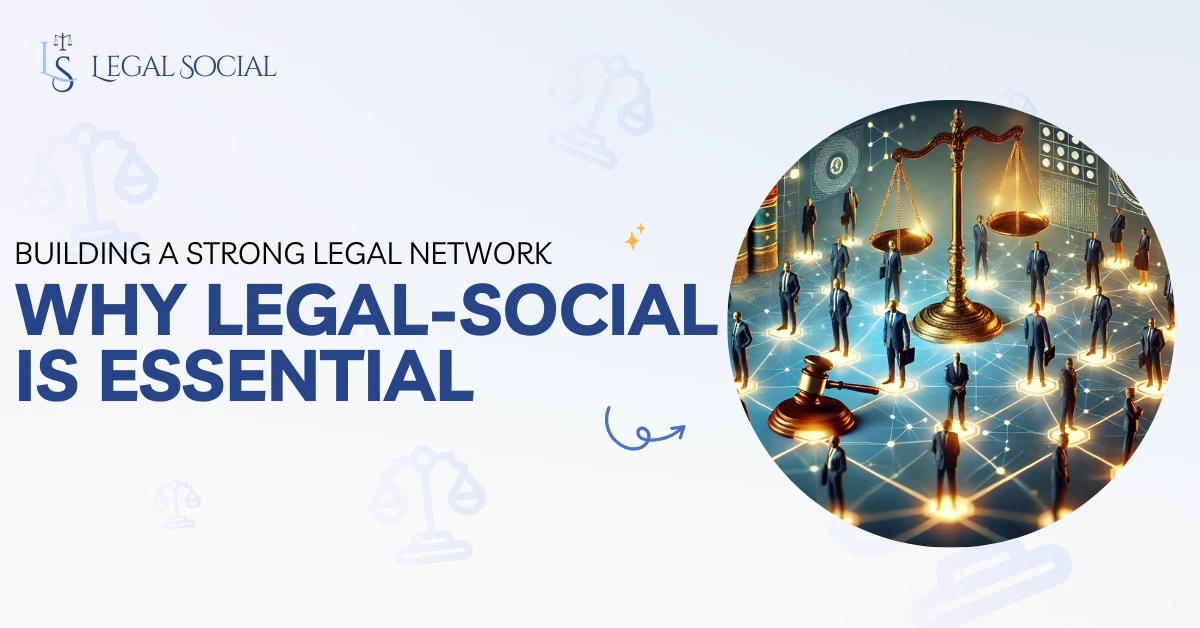
  • Building a Strong Legal Network: Why Legal-Social is Essential

    Building a Strong Legal Network: Why Legal-Social is Essential

    In today’s rapidly developed legal scenario, the construction of a strong professional network is more important than ever. With increasing dependence on digital platforms, lawyers and legal professionals should embrace legal social networks to promote legal cooperation and to streamline their practice. Online lawyer connections have expanded the interaction, knowledge of the legal professionals. This article highlights the importance of legal social platforms and how they contribute to career development, customer collection and professional development.

    The Importance of Legal Collaboration

    Legal professionals often work in silos, which can limit their exposure to new perspectives and opportunities. Legal collaboration bridges this gap by encouraging attorneys to work together, share insights, and enhance their expertise. Whether it is through networking events, online discussion forums, or virtual collaborations, engaging with peers and experts fosters professional growth in several ways:

    1. Knowledge Sharing: The legal industry is dynamic, with frequent updates in laws, regulations, and case precedents. A strong legal network allows professionals to stay informed about the latest legal developments.
    2. Mentorship and Guidance: Young lawyers benefit immensely from the wisdom of experienced legal practitioners, gaining insights that help them navigate the complexities of their profession.
    3. Business Development: Lawyers can refer clients to each other based on specialization, thereby expanding their client base and revenue potential.
    4. Collaborative Case Handling: Legal matters often require expertise in multiple fields. A well-connected lawyer can collaborate with specialists in different areas of law to strengthen a case.
    5. Enhancing Professional Reputation: Engaging in legal-social platforms can help build a positive professional reputation, making it easier to attract both clients and career opportunities.
    6. Improving Efficiency: By working together, legal professionals can divide workloads, handle cases more effectively, and streamline legal processes.

    The Rise of Online Lawyer Connections

    With the use of digitalization, online legal connections have become inevitable. Legal profession is no longer limited to traditional network events or lawyers’ meetings. Instead, social media platforms, legal network pages and professional forums have become powerful tools for making meaningful connections.

    Benefits of Online Legal Networking

    1. 1. Access to a Wider Network: Unlike physical networking, online platforms provide access to legal professionals across the globe. This enables attorneys to engage with experts beyond their geographical boundaries.
    2. 2. Efficient Communication: Through instant messaging, video conferencing, and discussion boards, lawyers can interact and collaborate efficiently.
    3. 3. Enhanced Visibility: A strong online presence helps lawyers showcase their expertise, publish thought leadership articles, and attract potential clients.
    4. 4. Real-Time Updates: Digital networking allows legal professionals to stay up-to-date with industry trends, landmark judgments, and legislative changes.
    5. 5. Job and Business Opportunities: Many law firms and businesses recruit legal professionals through online platforms, making digital networking a vital tool for career advancement.
    6. 6. Client Acquisition: Many legal-social platforms provide opportunities for lawyers to connect with potential clients seeking legal guidance.
    7. 7. Resource Sharing: Lawyers can share templates, legal documents, and case strategies, creating a more informed and efficient legal community.

    Tips for legal professionals

    For recently qualified lawyers, the creation of a legal network from Riper can seem heavily. The necessary proposals have been made to help recent legal professionals to help establish strong connections:

    1. Start early: Network should begin during the law school. Participate in legal programs, students become a member of lawyers and become a member of the faculty members who can introduce you to the professionals in the industry.
    2. Stay active on professional platforms: LinkedIn and other legal social platforms are regularly linking, comments discussions, shares insights and contact with experienced lawyers.
    3. Look for Mentorship: Find a mentor who can guide you through the early stages of your career. The experience and connection to a mentor can be invaluable.
    4. Participate in legal network events: either online or in individual, participation in conferences, workshops and webinars helps build strong professional conditions.
    5. Follow contacts: When you meet a legal professional, follow with a LinkedIn connection request or e -post to keep the relationship actively.
    6. Contribute to legal discussions: Write a blog, share case law updates or participate in panel discussions to establish credibility in the industry.
    7. Join legal associations: Being a member of the state or national law unions provides access to networking opportunities and special legal events.
    8. Volunteers for Pro Bono work: Pro Bono who engages in legal work not only helps society, but also lets you work with experienced professionals and gain experience.
    9. Develop a competence: By focusing on a niche area in the law, you can become a demand specialist and help to attract valuable connections.
    10. Be professional and moral: maintain a professional performance in all interactions, whether online or offline, as a reputation game

    How to Build a Strong Legal Network

    Creating a robust legal network requires strategic effort and active engagement. Here are some essential steps to enhance legal collaboration and leverage online lawyer connections effectively:

    1. Engage in Online Legal Communities
      Joining legal forums, social media groups, and discussion boards allows lawyers to participate in conversations, offer insights, and learn from industry experts.
    2. Attend Virtual Legal Conferences and Webinars
      With remote work becoming common, many legal events are now held online. Participating in these events provides exposure to global legal trends and networking opportunities.
    3. Create and Share Valuable Content
      Publishing articles, case studies, and legal opinions on professional platforms enhances credibility and attracts connections within the legal industry.
    4. Offer Assistance and Collaborate on Cases
      Networking isn’t just about taking-it’s also about giving. Offering assistance to peers, sharing knowledge, and collaborating on complex cases help build lasting professional relationships.
    5. Use Digital Tools for Networking and Communication
      Leveraging tools like Zoom, Microsoft Teams, and Slack can facilitate smooth communication and collaboration among legal professionals.
    6. Participate in Legal Podcasts and Webcasts
      Engaging in online discussions and podcasts can help establish authority in the field while building meaningful relationships with fellow legal professionals.
    7. Develop a Personal Brand in the Legal Space
      A strong legal network is often built on reputation. By developing a recognizable personal brand through blogging, social media engagement, and participation in legal discussions, lawyers can enhance their influence in the industry.

    The Future of Legal-Social Networking

    As technology promotes, legal-social network is expected to be even more sophisticated. Lawyers shape the future of the AI-controlled matchmaking industry for collaboration, blockchain-based legal contracts and virtual law firm platforms.

    In addition, legal networks may be integrated with client engagement, making it easier for customers to find the right legal professionals based on competence, experience and colleague recommendations. Artificial intelligence will also play a role in analyzing network patterns, suggesting meaningful connections and providing data-driven insights to help lawyers maximize networking capacity. Additionally, legal-social platform is evolving to accommodate secure communication, confidential client-lawyer interactions. The legal industry’s digital transformation is opening doors for greater accessibility, efficiency, and professional legal collaboration.

    Conclusion

    In a rapid digital world, it is important to take advantage of legal collaboration and promote online lawyer connection for professional success. Legal social platforms provide many opportunities to expand access, increase expertise and increase their practice. By actively engaging in online legal communities, participating in virtual events and collaborating with companions, lawyers can create a strong legal network that, as a whole, his career and legal industry.
    Since legal occupation continues to embrace digital changes, people who invest in legal-social networks will undoubtedly be ahead of the curve and create a permanent impact on the industry. For new technologies, by expanding the network and promoting collaboration, legal professionals can ensure long -term success in a competitive field.